Dry and damaged hair is a problem that affects an increasing number of people today, regardless of age or gender. Climate changes, stress, intensive styling, and improper care cause even naturally strong hair to gradually lose its elasticity and shine. To effectively improve its condition, it is important to first understand the mechanisms that lead to the deterioration of hair structure.
Dry vs. Damaged Hair — Why They Are Not the Same
Although these terms are often used interchangeably in everyday language, in practice they describe two different issues. From a trichological perspective, distinguishing between them is crucial, as each condition requires a different care approach.
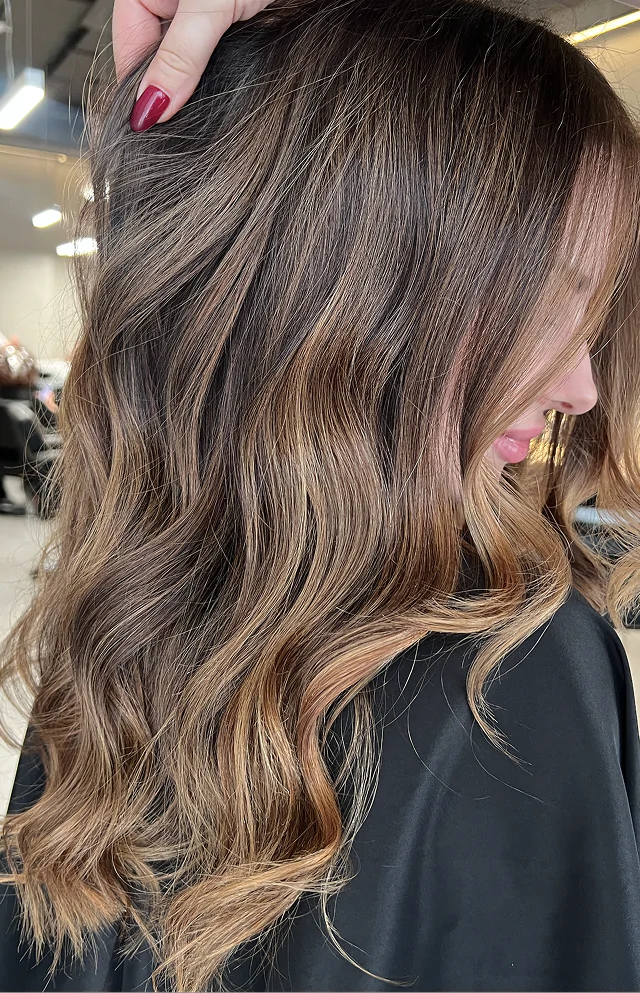
Dry Hair — A Barrier Protection Issue
Dryness is most often caused by a disruption of the lipid layer responsible for retaining moisture inside the hair. When this protective barrier does not function properly, hair loses water more quickly, becoming rough and dull, even if its internal structure remains intact.
Factors influencing this condition include genetic predisposition, hard water, frequent washing with harsh detergents, and hormonal changes. Characteristically, dry hair often looks “tired” but does not necessarily break.
Damaged Hair — A Structural Problem
Damaged hair is a structural issue. It involves the breakdown of keratin bonds and the lifting of cuticles, which increases porosity. As a result, hair loses elasticity, becomes brittle, and is prone to breakage.
This condition is often caused by frequent bleaching, aggressive coloring, perming, or regular heat styling. Hair not only looks worse — its mechanical strength is significantly reduced.
High temperatures do not damage hair instantly. The greatest harm occurs when heat styling is performed daily — even with the use of heat protection. In such conditions, the hair does not have time to regenerate naturally between exposures.
Why Does Hair Lose Moisture Despite Care?
Many people use masks and oils but do not see the expected improvement. The reason is often that care works only on the surface and does not eliminate the factors that continuously worsen the condition of the hair.
Chronic moisture loss can be caused by dry air in heated rooms, UV radiation, mechanical friction during sleep, or prolonged stress. Under such conditions, hair remains in a constant state of strain, and even good cosmetics cannot fully compensate for the damage.
In trichological practice, it is often observed that dry hair is not caused by a “lack of nourishment” but by improper washing. Frequent use of strong shampoos can gradually strip natural lipids, even if masks and conditioners are regularly applied to the lengths.
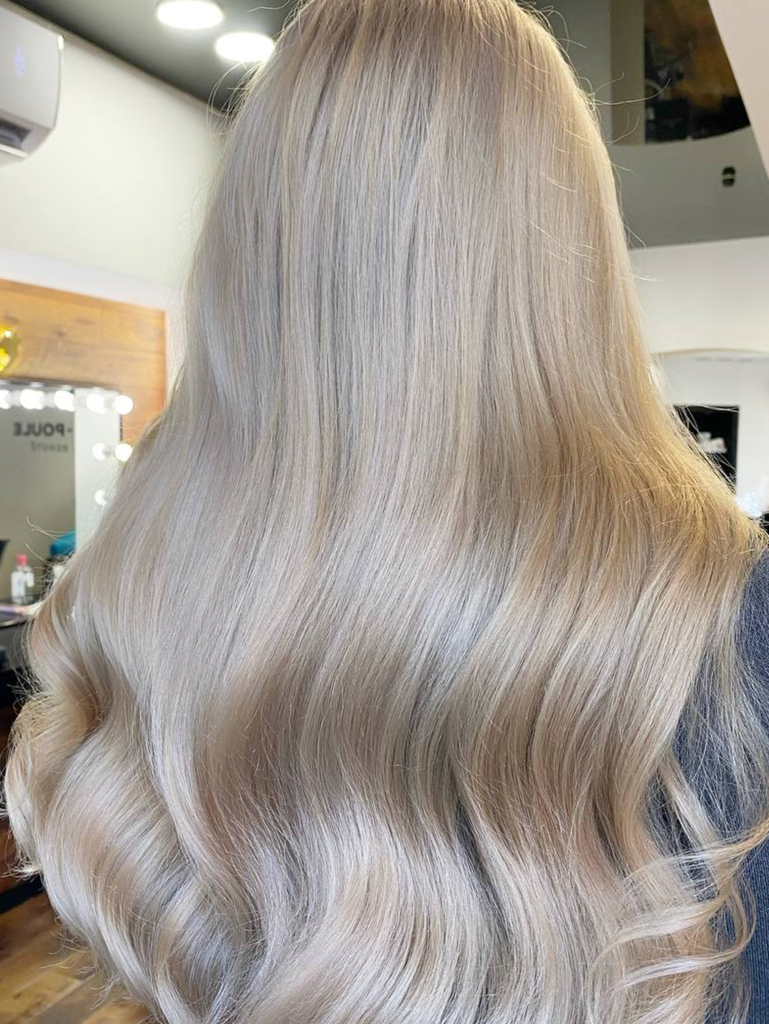
Keratin — Repair or Risk?
Keratin treatments have sparked debate for years. On one hand, they are valued for their smoothing effect; on the other, they are blamed for worsening hair condition.
How Does Keratin Affect Hair?
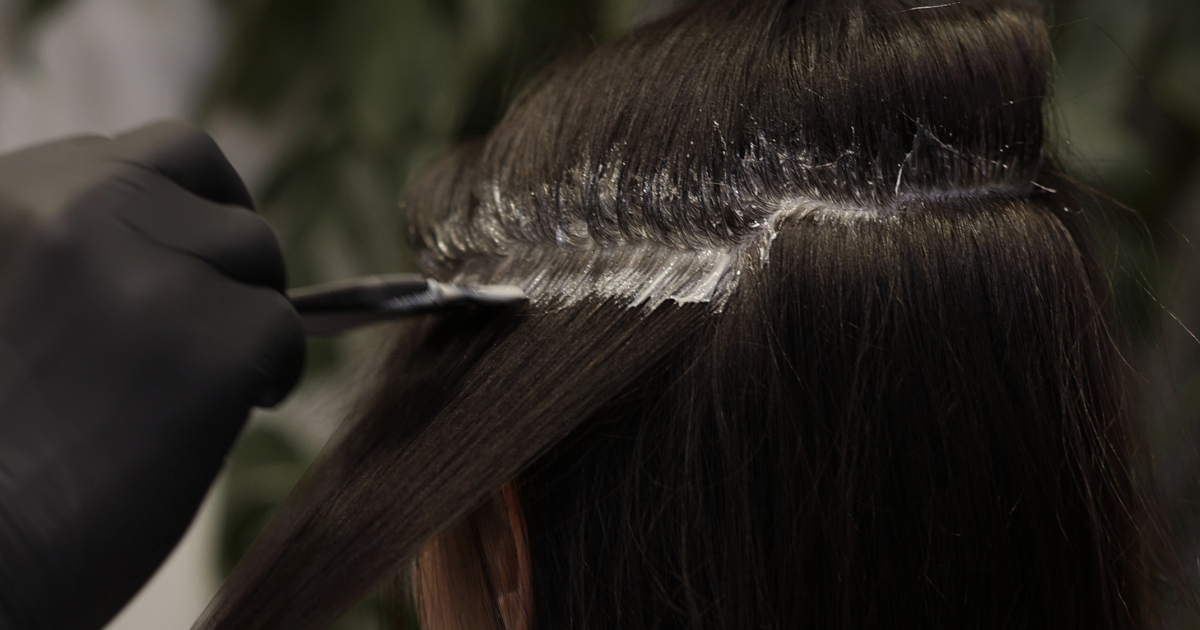
Keratin hair treatment is a procedure that uses keratin — a natural protein that forms the structure of the hair. Its molecules fill micro-damage, while the cuticles are sealed, visually improving smoothness and shine. After keratin treatment, the hair becomes more elastic, less frizzy, and easier to style.
When Can Keratin Be Harmful?
Problems arise when the treatment is performed too frequently or without proper assessment of the hair’s condition. Excess protein leads to so-called over-proteinization — hair becomes stiff, dry, and loses elasticity.
One of the first signs of over-proteinization is not breakage, but loss of softness. Hair becomes hard to the touch, difficult to style, and appears dry, even if it looks smooth. Therefore, proper diagnosis and appropriate intervals between treatments are essential.
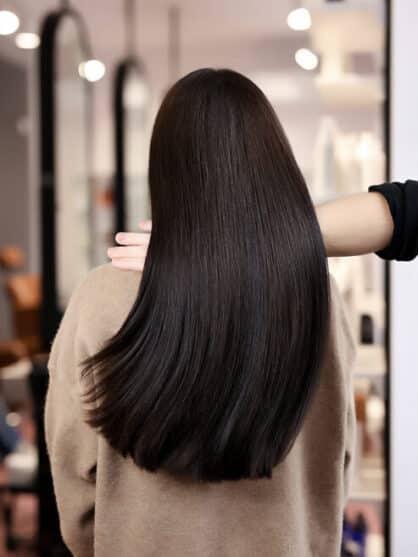
Care Based on Balance
Effective hair regeneration is not about intensity but balance. Daily care should maintain the right proportion between hydration, protection, and repair. An excess of one component can produce the opposite effect.
Regular trimming of the ends also plays an important role. It helps prevent further splitting and improves the overall condition of the hairstyle. In this context, a haircut supports hair health, not just aesthetics.
Common Mistakes That Worsen Hair Condition
One of the most common problems is over-care. Frequent use of protein masks, constant testing of new products, or aggressive oiling can disrupt the natural balance of the hair.
Lifestyle also matters. Deficiencies in protein, iron, zinc, and B vitamins quickly affect the appearance of hair. In practice, external care should always go hand in hand with overall health.
It is often observed that hair condition worsens with a delay of several weeks after periods of intense stress or fatigue. This is a natural reaction of the body — hair, as a non-priority structure, responds one of the first to prolonged overload.
In many cases, only an individual assessment of hair condition helps organize care and avoid further mistakes. In such situations, the support of an experienced hairdresser at the PIED-DE-POULE salon can be a valuable part of the recovery process.