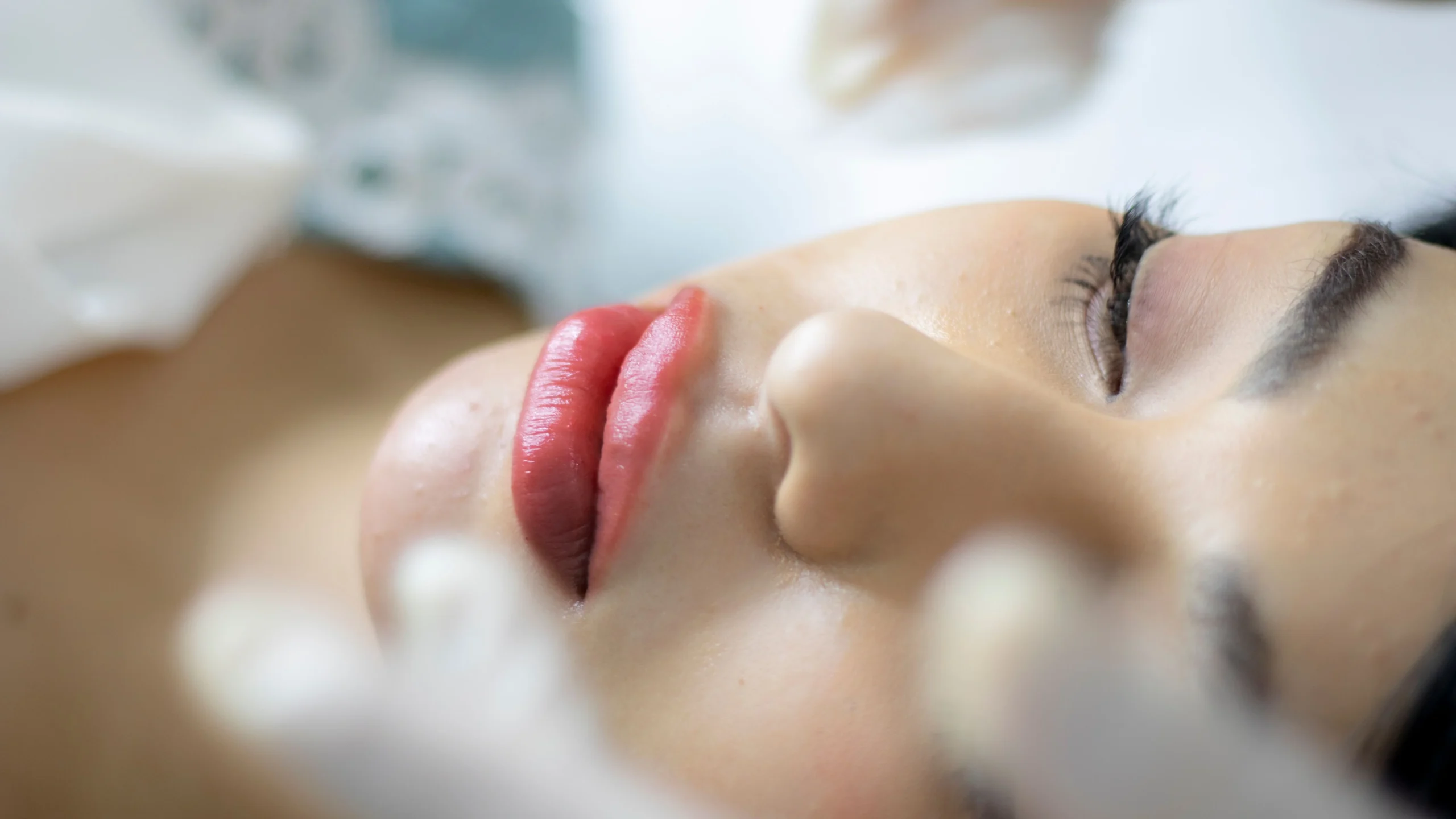
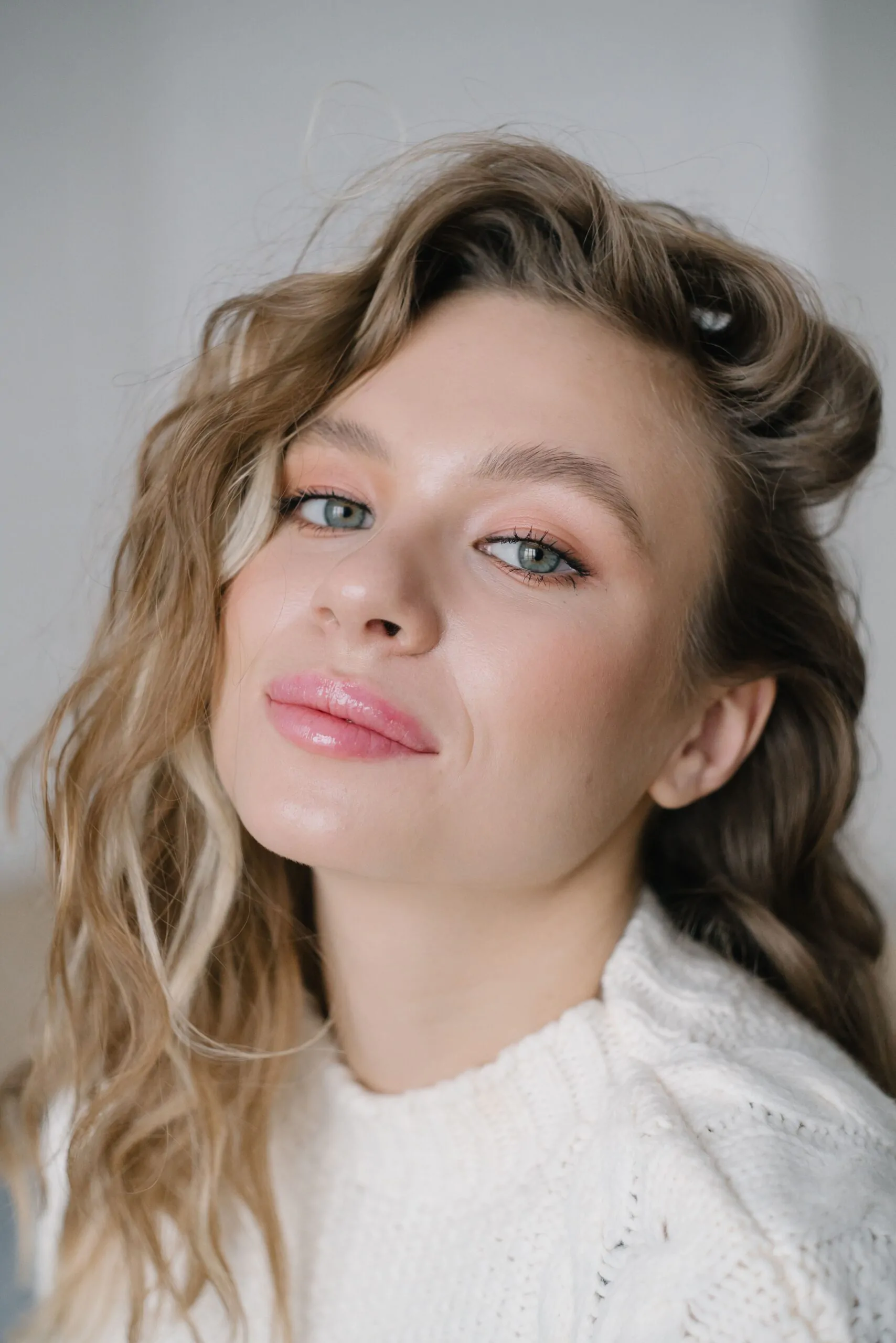
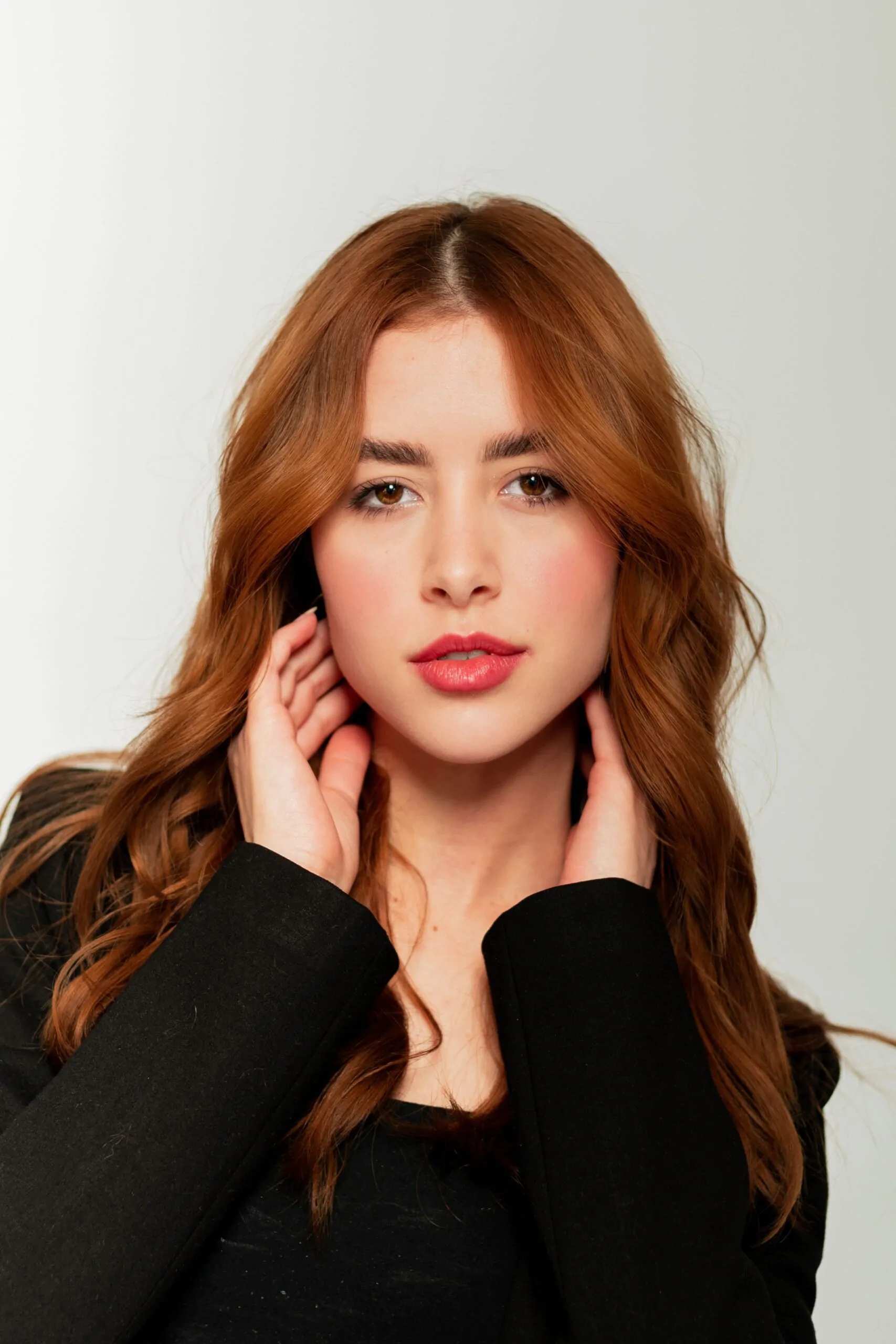
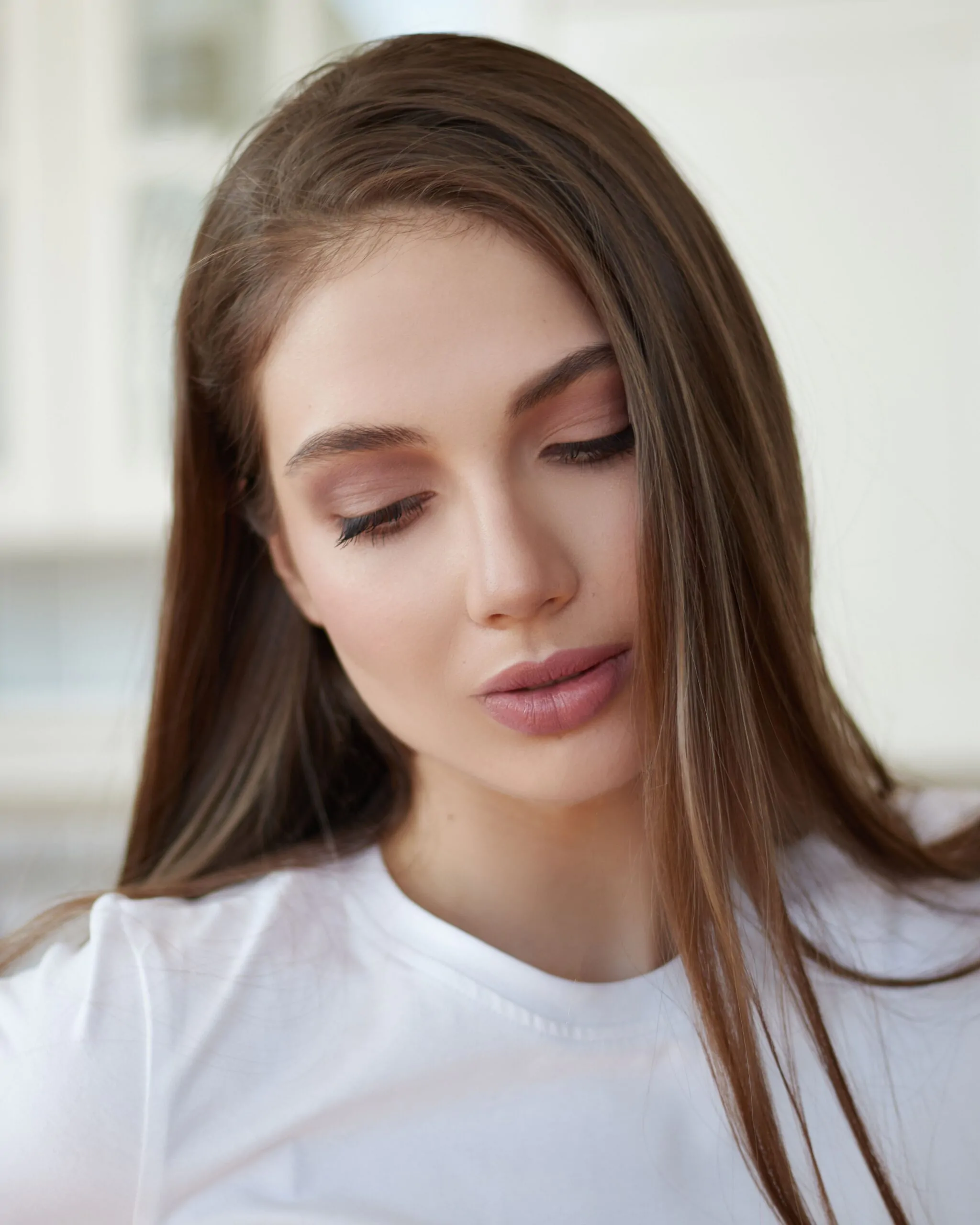
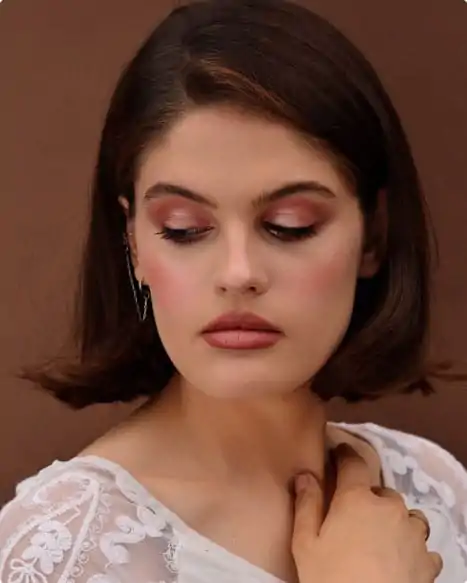
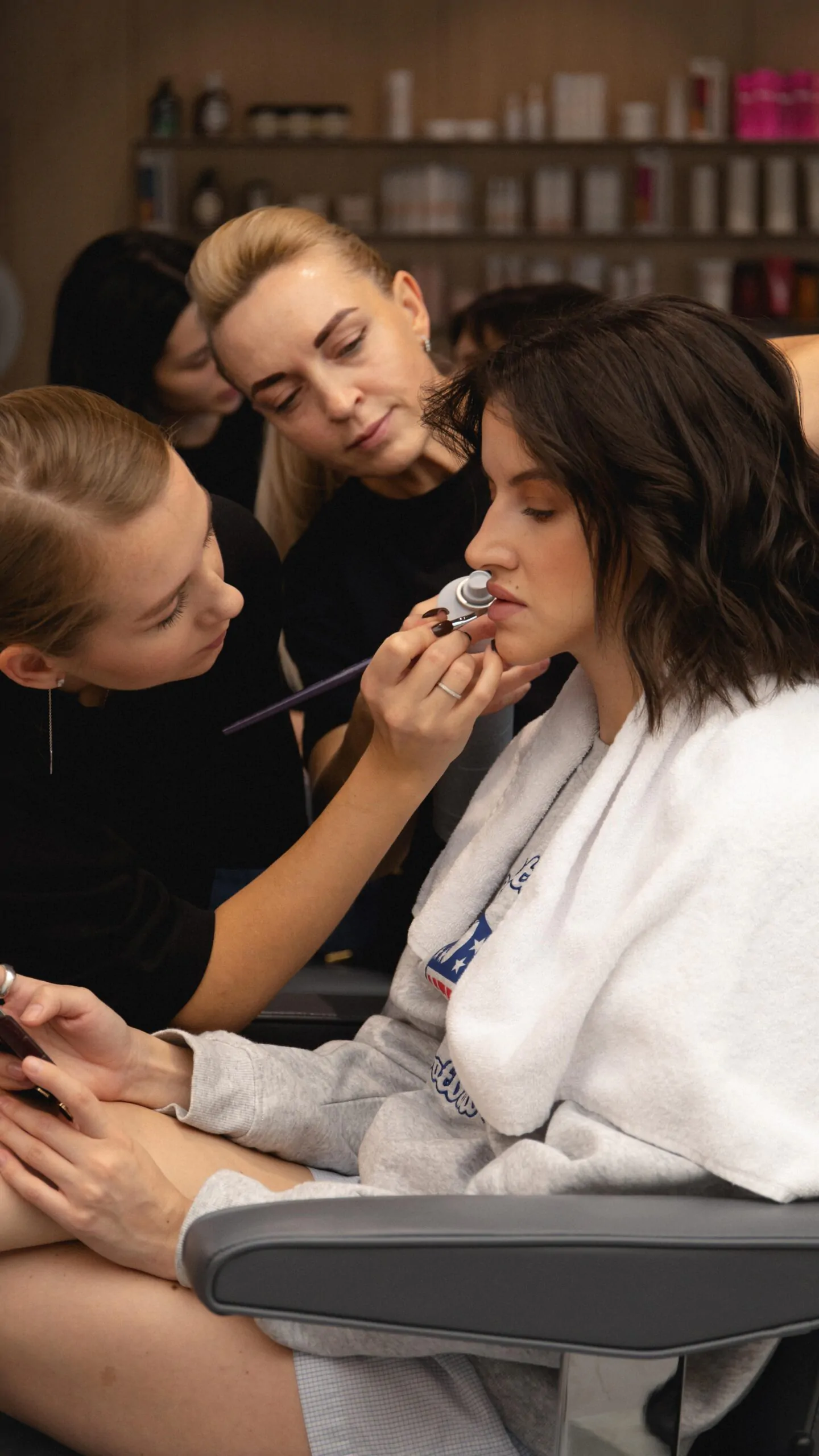
Lips reveal the passage of time faster than the rest of the face. They lose colour, the contour blurs, and lipstick holds for a shorter time with each passing year. Permanent lip makeup was created precisely to reverse this.
How Permanent Lip Makeup Works
Pigment is introduced into the upper layer of the lip skin, right at the edge of the vermilion border. This is an unusually delicate area — thin, densely supplied with blood vessels, and without sweat glands — which is why pigmentation here works differently than, say, on the eyelid or the brows. Every pair of lips has its own undertone — a cool bluish tone, pink, or peach — and the technician blends the pigments so that once healed, a cool undertone doesn’t shift into purple. In this respect, permanent lip makeup differs from pigmentation carried out as part of, for example, permanent brow makeup, where the skin is thicker and less reactive.
Colours and Techniques for Permanent Lip Makeup
The treatment isn’t limited to one style. The salon matches the technique to the shape of your lips and the expected result.
- The watercolour version, without a defined contour, spreads pigment softly across the whole lip surface, giving the impression of lips defined by a balm rather than made up.
- The full version, resembling a matte or satin lipstick, covers discolouration and evens out lips with an uneven, gradient shade.
- The 3D effect uses two or three pigment shades, darker at the contour and lighter in the centre, creating an optical glow and the impression of more volume.
- A separate category is lip ombré in permanent makeup — a subtle colour transition from the contour toward the centre of the lips — as well as neutralising dark lips, where a cool or purple undertone is covered with a warm corrector in orange and peach tones. This technique is part of the wider pigmentation offering available as part of makeup services.
Healed permanent lip makeup usually looks calmer and more natural than the fresh effect right after the treatment, which is why choosing the technique always takes into account how the colour will behave after a few weeks, not just on day one.
Who Permanent Lip Makeup Suits Best
The treatment works best in specific situations, not in general age categories or skin types.
- Narrow lips gain optical volume through permanent makeup’s 3D technique without any interference with the tissue.
- A pale or blurred contour, which appears after years of applying lipstick or recurring cold sores, regains its definition without looking like an artificially drawn line.
- People for whom applying lipstick every day is inconvenient, or who want a consistent lip look from morning to evening, get a finished effect without any extra steps.
A defined lip contour is also often a natural complement to work on overall facial symmetry, which some clients start with brow shape correction.
Healing and the Final Result
Lips heal faster than brows after permanent makeup, but the discomfort in the first few days tends to be greater.
- The first 24 hours bring mild swelling and an intense, bright colour.
- Between day two and day four, a thin film forms and the skin feels very tight — this is when it’s worth knowing what to put on your lips after permanent makeup, and vaseline or a balm recommended by your technician is usually the answer.
- Around day five to seven, the film comes off, and the colour looks noticeably lighter, sometimes giving the impression that it’s almost completely disappeared.
- Between day fourteen and day twenty-one, the shade emerges from beneath the epidermis and becomes soft and natural.
Aftercare recommendations for permanent lip makeup include avoiding very hot drinks, spicy and salty food, and drinking through a straw for the first five days, so as not to stretch the healing tissue.
Contraindications and What to Watch Out For
- Tendency to cold sores. Micro-damage to the skin during the treatment triggers a breakout in most cases, even in people who only get cold sores once every few years. A doctor may recommend preventive antiviral medication before and after the treatment.
- Recent hyaluronic acid lip filler. At least three to four weeks should pass between lip filler and pigmentation, in either order.
- Cracked or overly dry lip skin. Open sores, cracked corners of the mouth, or flaking require prior hydration and full skin healing before the pigment is introduced.
- Other treatments around the mouth. Laser hair removal on the upper lip is worth scheduling with an appropriate gap from pigmentation, so the skin has time to fully recover.