Permanent makeup isn’t the same as an artistic tattoo, even though both procedures rely on the same principle of introducing pigment with a needle. The difference lies in depth and purpose. Pigment for permanent makeup is placed shallower, in the epidermis and the upper boundary of the dermis, which is why it naturally fades over time instead of staying at the same shade forever. The effect usually lasts one and a half to three years, then gradually lightens. It’s exactly this difference that means correcting the colour or changing the shape later on doesn’t require complicated removal of permanent makeup — you simply wait for the pigment to fade on its own.
Types of Facial Permanent Makeup
The treatment covers several different areas of the face, and each one solves a different problem.
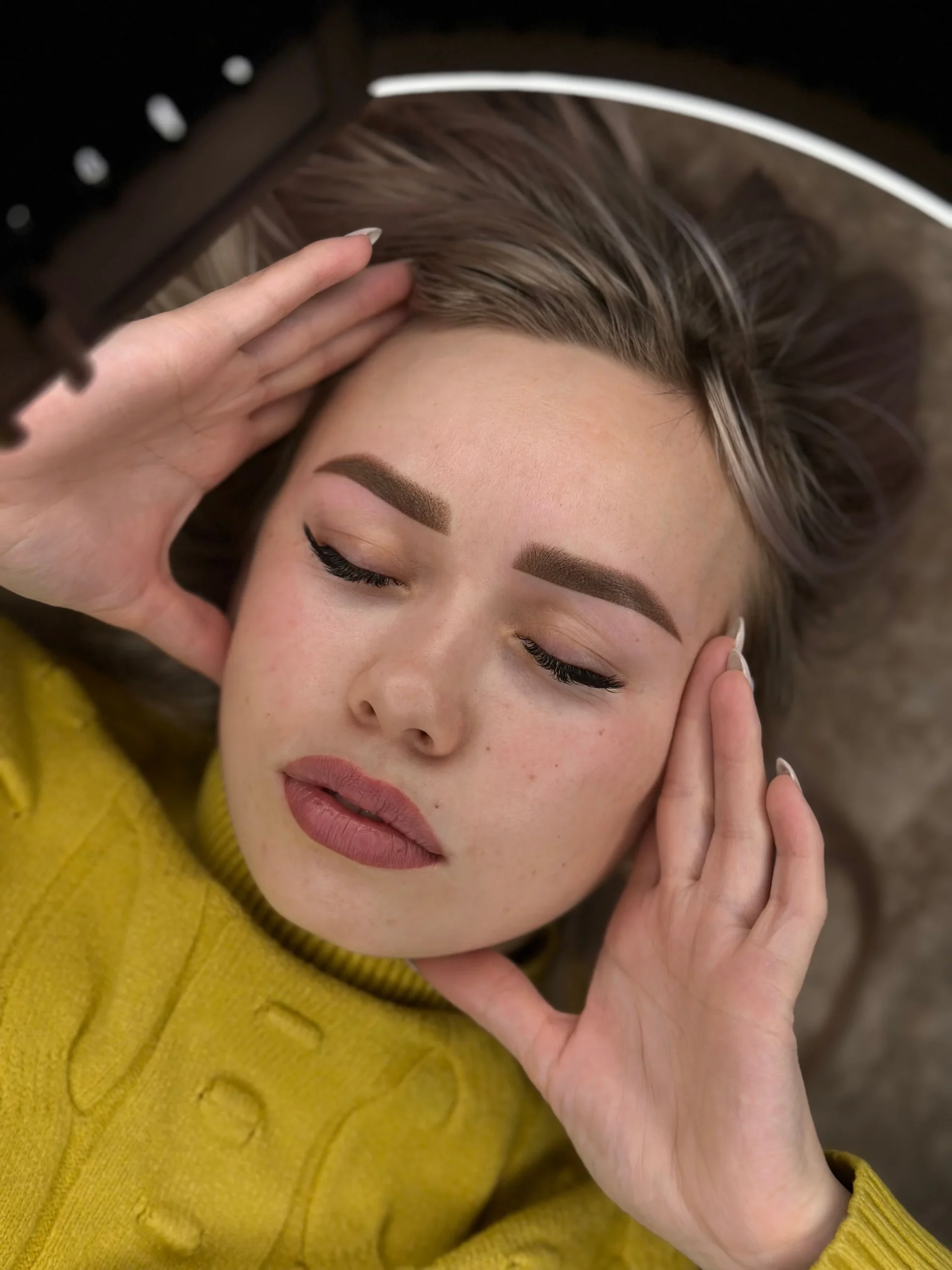
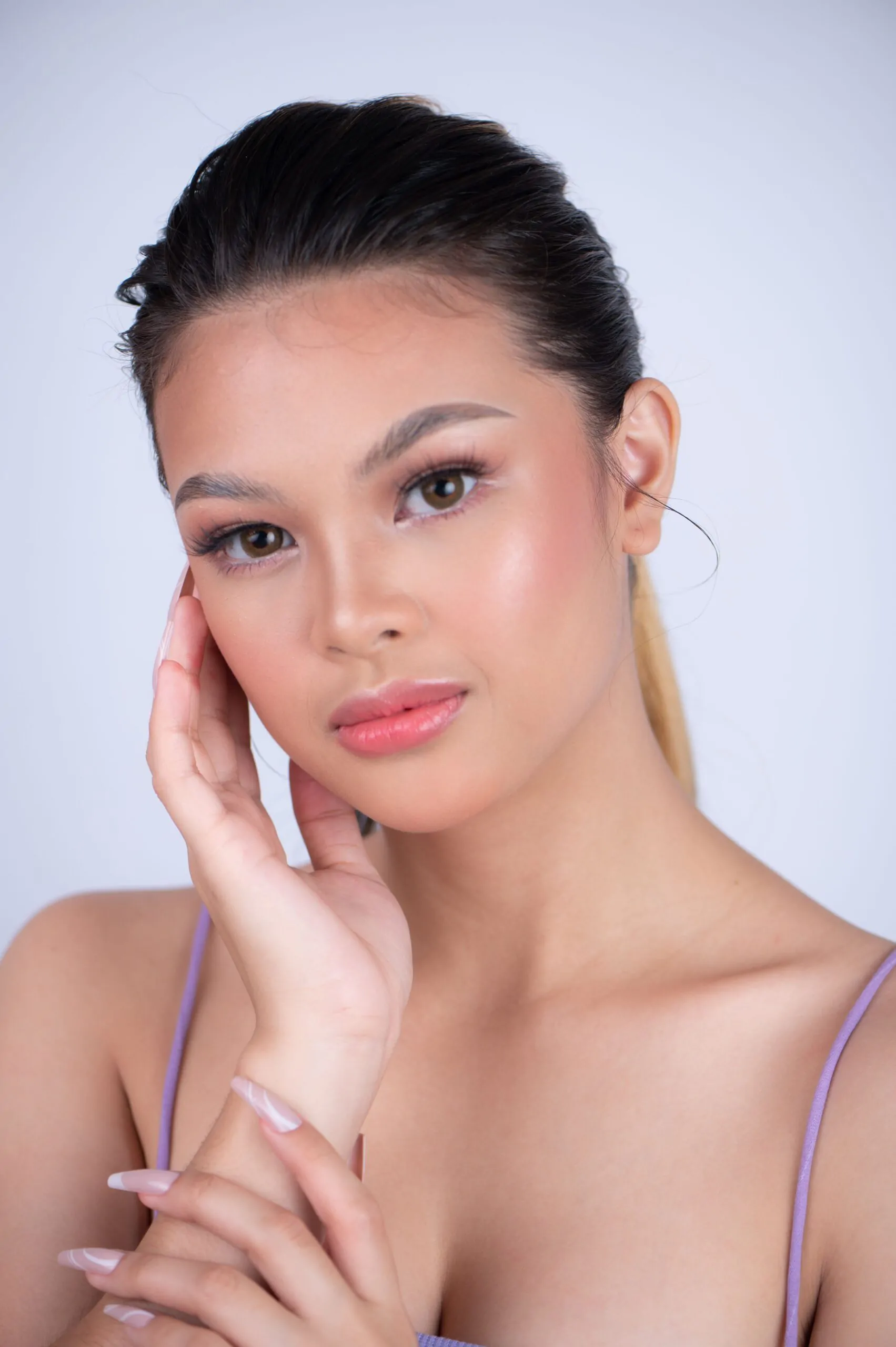
Brow pigmentation fills in sparse areas and evens out the shape on both sides, which for many people is the main reason they turn to this treatment in the first place — find out more on the page dedicated to permanent brow makeup.
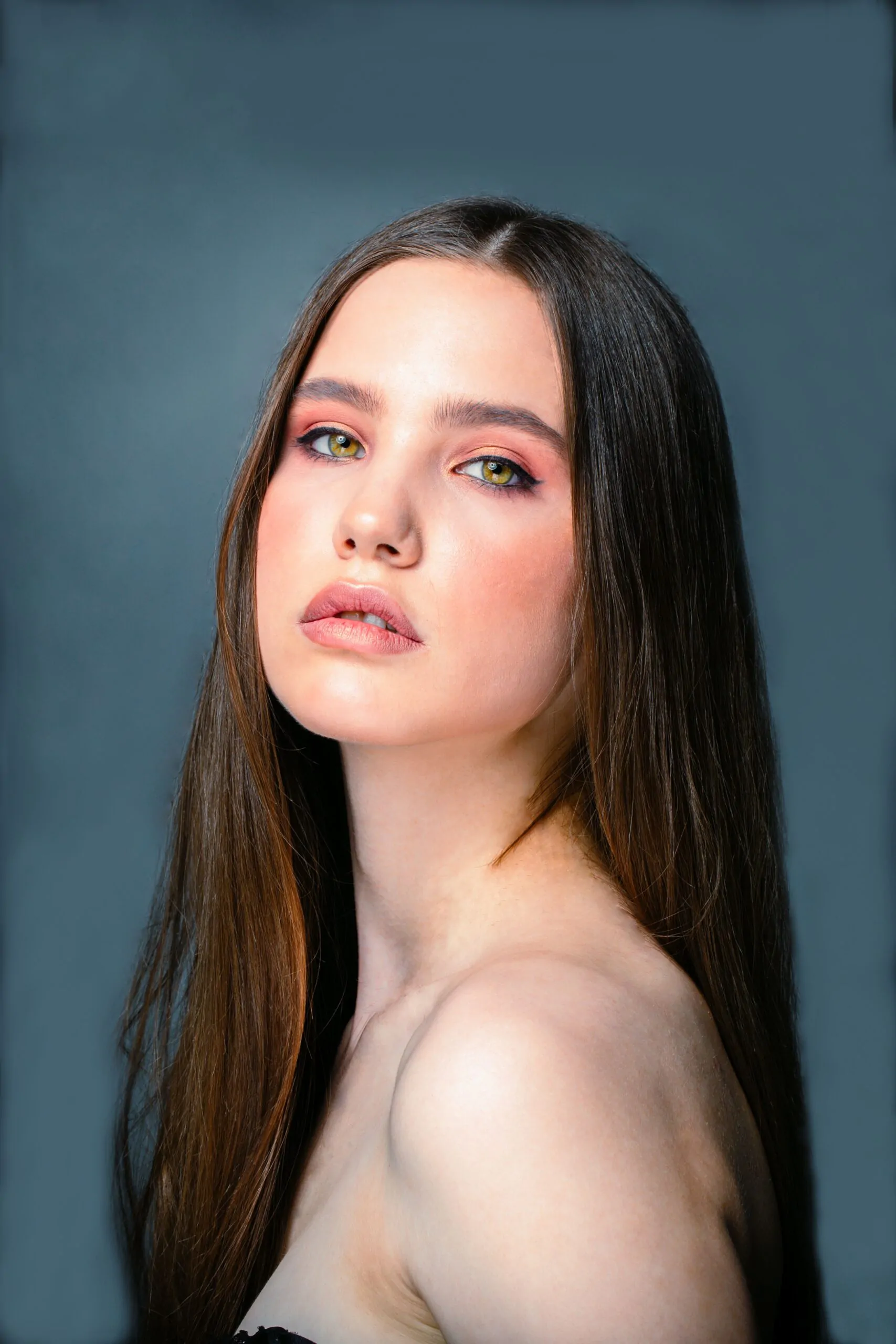
Lip pigmentation refreshes the contour and corrects uneven lip colour, adding visual fullness without an artificially enlarged look, and the details of this version of the treatment are described under permanent lip makeup.
The third variant, lash line pigmentation, optically thickens the space between the lashes — a completely different approach from eyelash extensions, since here the effect stays on the skin rather than on the hairs themselves.
Pigmentation Techniques
How the pigment is introduced changes the character of the final result, so the choice of technique depends on the facial area and the expected outcome.
- For brows, the most common method is powder shading, also known as ombré — pigment is applied in tiny dots, giving a soft effect that resembles filling in with eyeshadow or pencil, rather than a defined line.
- For lips, two different approaches are used: the watercolour technique, which blurs the contour for a natural, sheer shade, and the lipstick technique, which lays pigment down more densely for a more intense, saturated colour.
- The lash line is pigmented in dots, precisely between the base of the hairs, so the density effect is visible while the treatment itself stays undetectable as makeup.
- Microblading is a separate category — manually cutting hair-like lines with a fine blade — a technique that’s losing popularity in favour of machine-based methods, since it involves more disruption to the skin and a higher risk of minor scarring.
Who This Solution Is For
Permanent makeup is chosen by people in very specific situations, not a single universal group of clients.
- People who draw the same line or fill in the same brow every day and are simply tired of it
- People with noticeable asymmetry in their brows or lips, or sparse areas after hair loss
- People who play sport, swim regularly, or travel a lot and want a finished look without carrying makeup with them
- People with an allergy to decorative cosmetics, for whom applying makeup every day is a problem rather than a pleasure
Results and Healing Time
Right after the treatment, the colour looks more intense than it will end up being — this is a normal stage, not an error in the work. The skin at the pigmentation site may flake slightly for the first few days, and full healing takes around a month. Only after this time can you see the real, final shade and shape. That’s why a touch-up is always planned after healing is complete, not straight away — usually a few weeks after the first visit, to fill in any gaps in the pigment or fine-tune the colour intensity.
Sessions at PIED-DE-POULE and Treatment Price
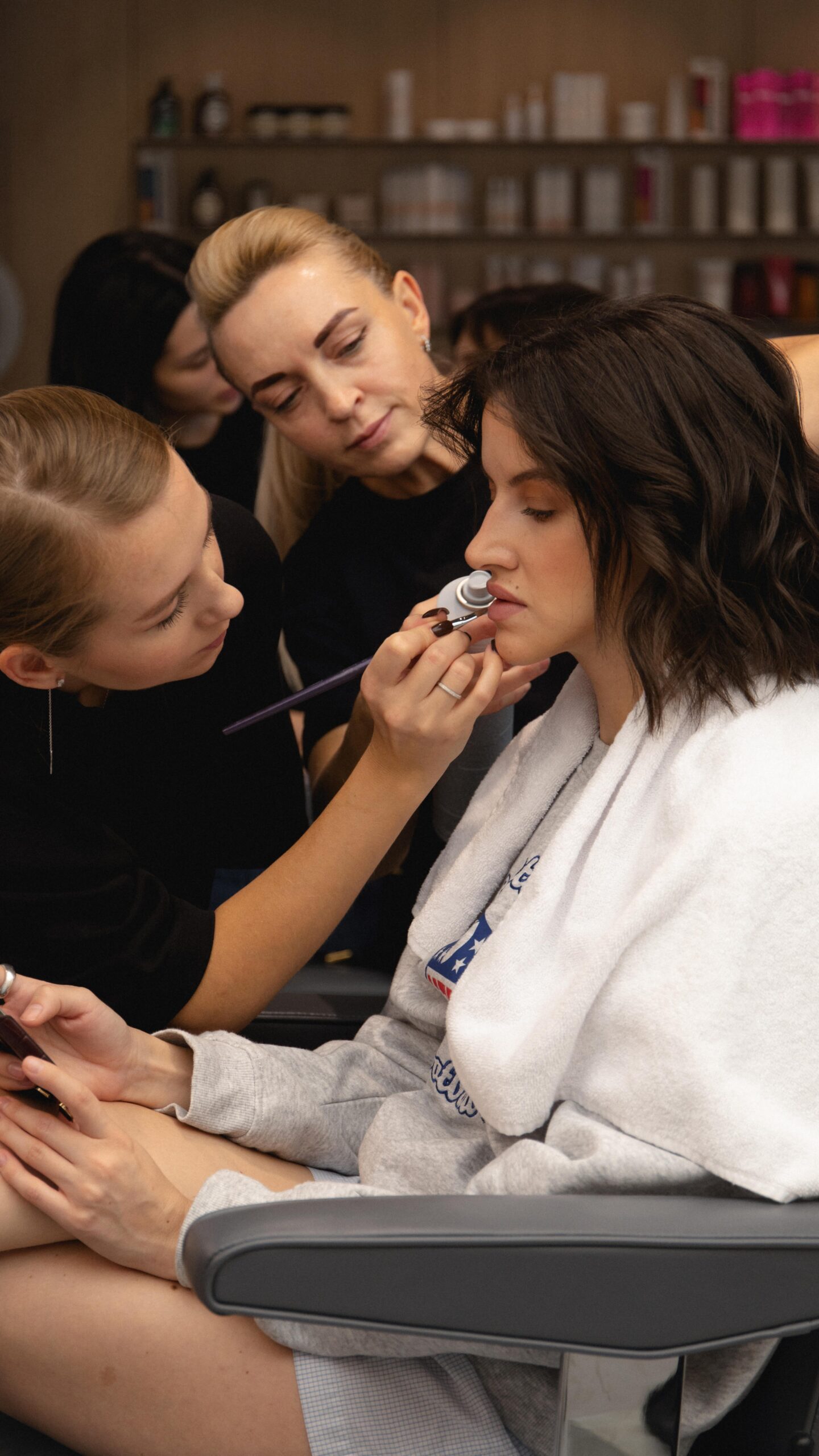
- The first appointment is a longer process, since it includes a conversation about your expectations, drawing a preliminary shape in pencil for approval, choosing the pigment shade, and the introduction of colour into the skin itself.
- The second appointment, the touch-up, is shorter and focuses solely on refinements. The price of permanent makeup depends on the chosen facial area and whether the client returns for a touch-up as part of the same service — the current price list is available when booking online.
People who’ve previously used eyebrow shaping with cosmetics or henna often see permanent makeup as the natural next step, once they want to stop repeating the same treatment every few weeks.
Aftercare
After leaving the salon, the client receives a short set of aftercare instructions for the healing period, tailored to the area that was pigmented. This usually includes protecting the skin from water and sun for the first few days and applying a recommended soothing product. Following these instructions affects how evenly the pigment sets, which is why it’s part of the treatment rather than an optional extra.