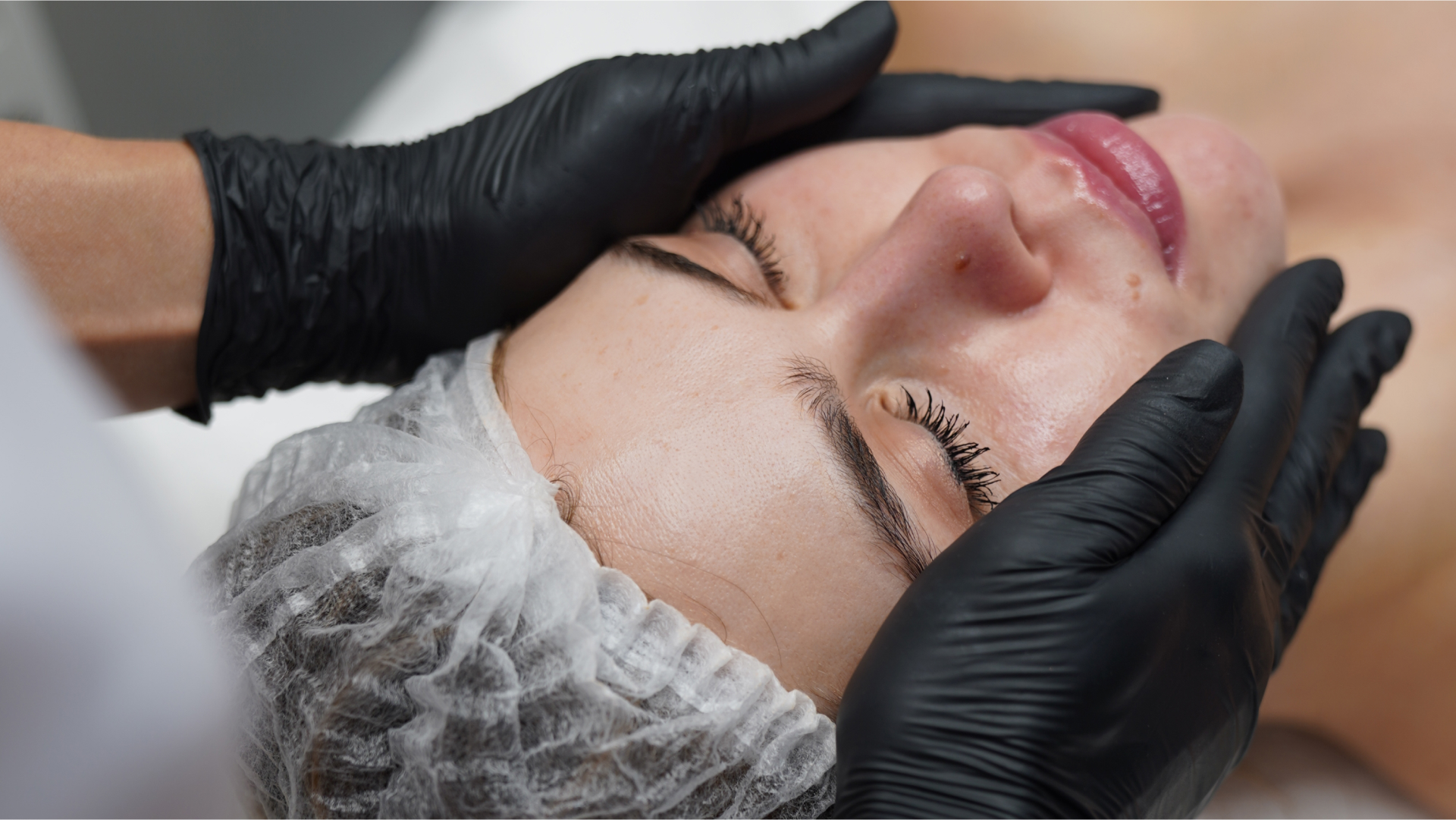
Dry facial skin is one of the most common dermatological concerns affecting both women and men of different ages. The feeling of tightness, rough texture, or a tendency toward irritation can significantly reduce everyday comfort. However, proper skincare can effectively improve the condition of the skin and restore its natural balance.
Why Does Facial Skin Become Dry?
Skin dryness does not occur without a reason. Most often it results from disruption of the natural hydrolipid barrier, which is responsible for retaining moisture in the epidermis and protecting the skin from external factors.
The most common causes of dryness include genetic predispositions, improperly chosen cosmetics, frequent cleansing with aggressive products, and prolonged exposure to wind, frost, or dry indoor air. Natural skin aging processes also play a role, as lipid production decreases over time.
It is also worth remembering that even normally functioning skin may periodically react with dryness due to seasonal changes, stress, or a diet low in healthy fats.
Dry Skin vs. Dehydrated Skin — Key Differences
Although these terms are often used interchangeably, in practice they refer to two different skin conditions.
Dry skin is a skin type characterized by a lack of lipids. It is usually thin, delicate, and naturally prone to flaking and irritation. Dehydrated skin, on the other hand, is a temporary condition caused by a lack of water in the epidermis and can affect any skin type, including combination or oily skin.
The key difference is that dry skin primarily requires restoration of the protective barrier and replenishment of lipids, while dehydrated skin requires intensive hydration. Improperly chosen skincare may worsen both problems at the same time, which is why it is important to distinguish between them correctly.
Daily Care for Dry Facial Skin
A proper skincare routine should be based on gentleness, consistency, and protection against excessive moisture loss.
What Should a Daily Skincare Routine Look Like?
The foundation is gentle cleansing using emulsions, cleansing milks, or gels that do not contain alcohol or strong detergents. After washing, the skin should not feel tight or irritated.
In practice, one of the most common mistakes in caring for dry skin is excessive cleansing and the use of overly strong washing products. Products with intense foaming action can further weaken the hydrolipid barrier, leading to an even stronger feeling of tightness. It is also advisable to avoid washing the face with hot water, as regular exposure can contribute to the loss of natural lipids.
The next step is hydration and nourishment. Cosmetics should be selected based on ingredients that support the hydrolipid barrier, such as ceramides, squalane, plant oils, or hyaluronic acid. Daily sun protection also plays an important role, as UV radiation weakens the skin’s structure even during the autumn and winter seasons.
When choosing cosmetics for dry skin, it is important to look not only at marketing claims but also at the ingredients. Particularly beneficial are ceramides, which help rebuild the protective barrier, squalane that mimics the skin’s natural lipids, and humectants such as glycerin or hyaluronic acid. It is the combination of moisturizing and protective ingredients that provides the best long-term results.
The condition of dry skin is also influenced by lifestyle factors. Insufficient hydration of the body, long-term stress, or staying in air-conditioned rooms may intensify symptoms of dryness even with properly selected skincare. Therefore, skin care should be approached holistically — as a combination of cosmetics, daily habits, and recovery.
In cases of chronic skin dryness, cosmetological treatments that support the restoration of the hydrolipid barrier may also be helpful — more information can be found in the cosmetology section.
Gentle Exfoliation — Why Does It Matter?
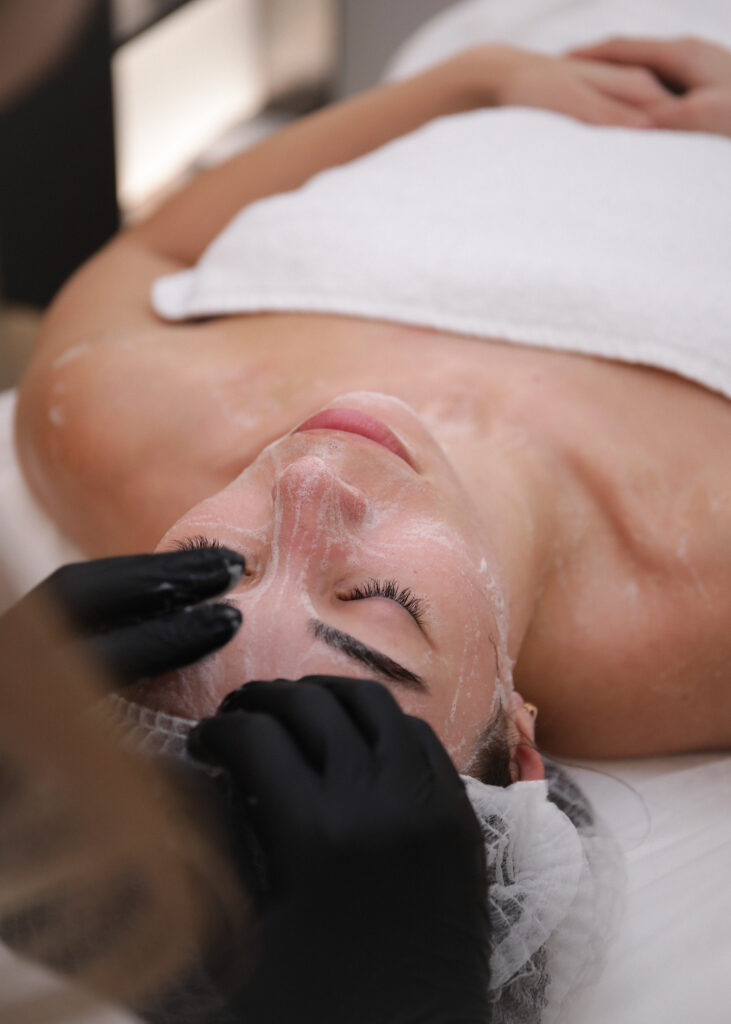
Dry skin often tends to accumulate dead skin cells, which makes it more difficult for active ingredients in cosmetics to penetrate the skin. That is why properly chosen exfoliation is an important part of skincare.
For dry skin, gentle forms of exfoliation that do not require mechanical friction work best. Enzyme peels and mandelic acid peels are often used, as they act on the surface of the skin gradually. They help smooth the skin’s texture, improve its appearance, and prepare it for further skincare without the risk of irritation.
The Role of Facial Massage in Dry Skin Care
Facial massage can be a valuable addition to a daily skincare routine. Regular stimulation of the tissues improves microcirculation, supports skin oxygenation, and enhances the absorption of active ingredients contained in cosmetics.
When Is Professional Support Worth Considering?
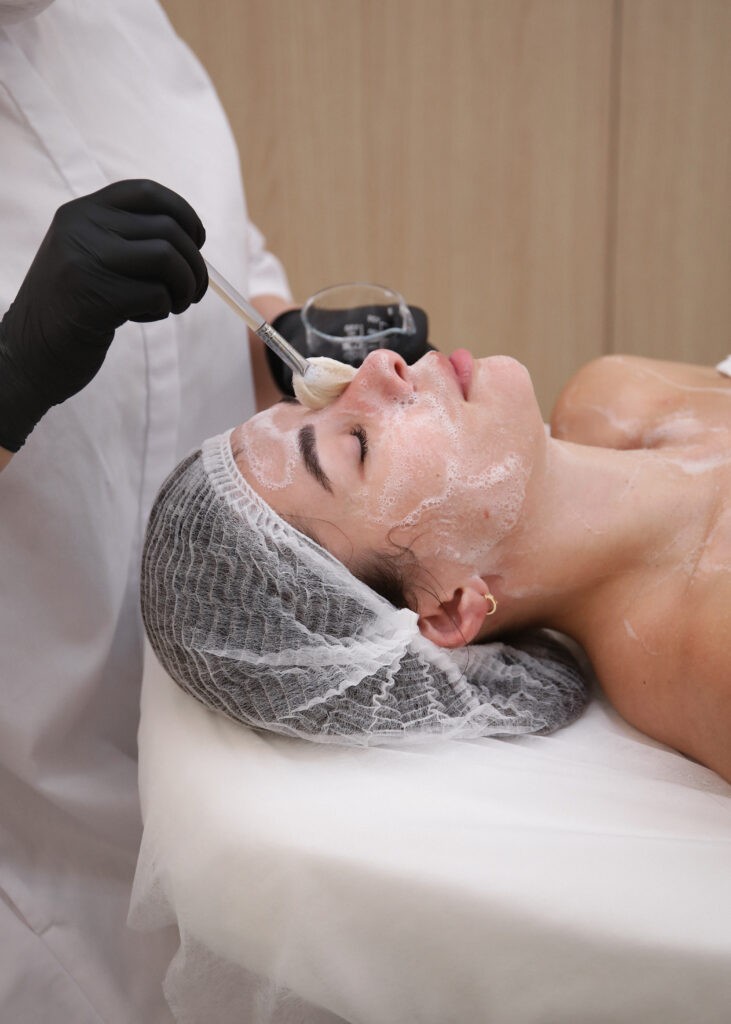
In the case of long-lasting dryness, tightness, or loss of skin elasticity, consulting a cosmetologist may be helpful. If you are unsure which type of care will be best for your skin or you notice that home methods do not bring the expected results, it may be worth scheduling an individual consultation at our salon.
During the visit, our specialist at PIED-DE-POULE will assess the current condition of your skin, help select appropriate treatments, and recommend skincare tailored to its real needs — in a calm, comfortable atmosphere, without rush or pressure.