Many people who decide to undergo a procedure wonder how long the effects will last and whether they will be permanent. This is a natural question, as the visibility of changes doesn’t always correlate with their longevity.
The duration of the effects of treatments depends on their type, skin condition and post-treatment care – and can range from several days to several months.
What influences the durability of the effects of cosmetic treatments?
The duration of the treatment effect is influenced by several key factors that work simultaneously.
Type of treatment and its mechanism of action
Cosmetic treatments vary in their depth of action. Some provide a superficial effect—improving skin hydration or tone—but their effects are short-lived.
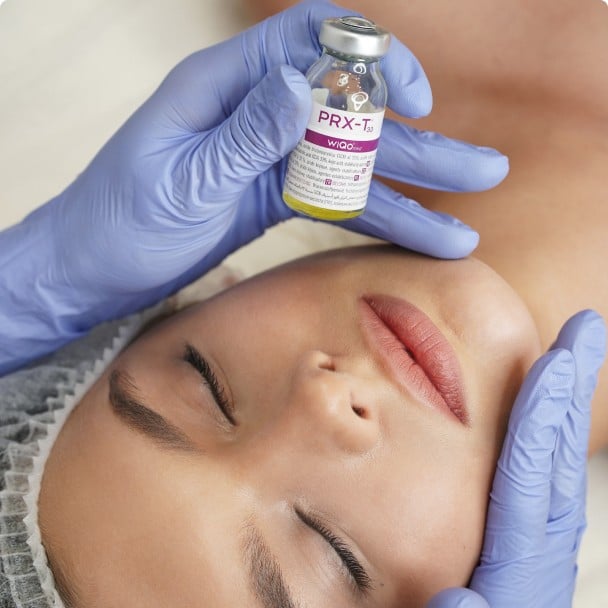
Others target deeper layers and stimulate regenerative processes. Examples include techniques that deliver active ingredients directly to the deeper layers of the skin, such as mesotherapy, where the improvement in skin quality occurs gradually and in many cases can last longer.
Individual skin reaction
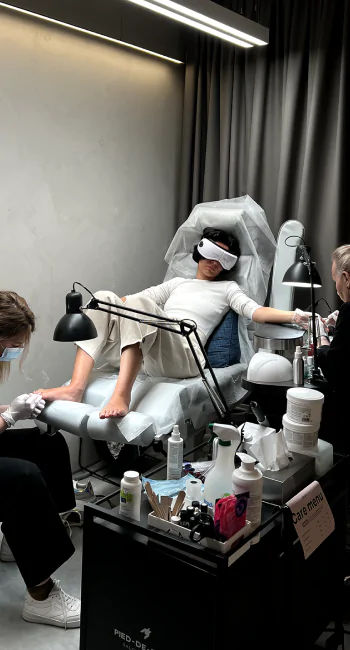
Individual skin response is one of the most frequently overlooked factors. Age, hydration levels, hormonal balance, and lifestyle all influence the longevity of results.
Therefore, in one person the effects may be visible for several months, while in another much shorter time.
Short-term vs. long-term effect – what does that really mean?
Not every effect works the same way, so it’s worth distinguishing between two basic types of results.
Immediate effects
These are changes visible immediately after treatment—skin appears smoother, firmer, or more radiant. This short-term effect typically lasts from a few days to a few weeks.
Long-term effects
Treatments that affect the skin’s renewal cycle work differently. Regenerative processes occur gradually, so the effects appear later, but their durability can be significantly longer.
This group includes, among others, exfoliating treatments such as chemical peels,which can support the skin renewal process and influence its structure over time.
How long does the effect of the treatment last in practice?
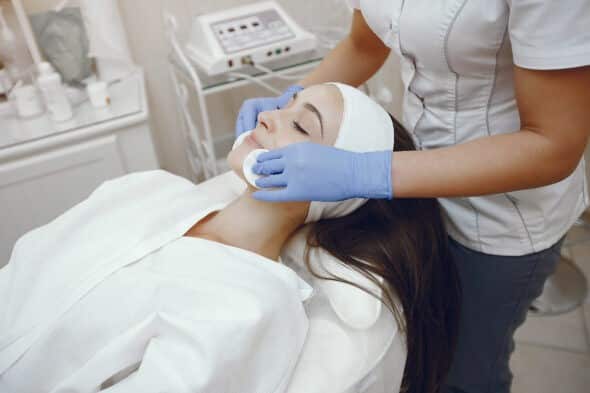
In practice, the duration of the treatment is variable and depends not only on the procedure itself, but also on what happens to the skin afterwards.
Approximate time frame
- moisturizing treatments – from a few days to 2-3 weeks
- regenerative treatments – from several weeks to several months
- stimulating treatments – the effect is increasing, lasting up to several months
It is worth remembering that these are approximate values and the actual duration of the treatment effects may vary.
Visibility of effects and their durability
Visible results don’t always mean they’ll last. Some results are superficial and fade quickly, while changes occurring in the deeper layers of the skin last longer, though they’re not always immediately visible.
Why do the effects of treatments fade over time?
The disappearance of the effects does not mean that the treatment has stopped working – it is a natural part of how the skin functions.
Skin renewal cycle
The skin is constantly renewing itself. The skin renewal cycle lasts on average about 28 days in younger people and lengthens with age, meaning the effects of treatments gradually diminish as cells are replaced.
Lifestyle and daily habits
The durability of cosmetic treatments is influenced by, among others:
- sun exposure
- diet and hydration
- stress level
- sleep quality
Lack of skin protection may significantly shorten the duration of the treatment.

How to prolong the effects of cosmetic treatments?
Although it is impossible to completely stop the aging process, it is possible to prolong the visibility of the effects to some extent.
- Post-treatment careProper post-treatment care is one of the most important elements. Regular moisturizing, sun protection, and avoiding irritation help maintain the results for longer.
- Regularity instead of one-time actions. A single treatment provides limited results. Much better results are achieved with systematic skin support.
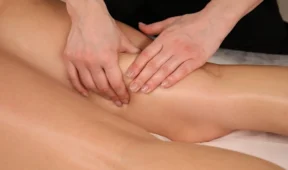
- Support for natural skin processesManual techniques that support microcirculation, such as facial massage, can support the condition of the skin and indirectly influence the visibility of the effects, including by improving microcirculation and tissue oxygenation.
The role of realistic expectations
One of the most common mistakes is expecting immediate and lasting results.
Cosmetic treatments support the skin but do not stop biological processes. The best results are achieved when they are part of a long-term care plan, not a one-time solution.
The effects of cosmetic treatments are not permanent, but they can last longer than superficial effects if supported by proper care and healthy habits. In practice, it’s not the treatment itself, but a holistic approach to skin care that determines the longevity of results.