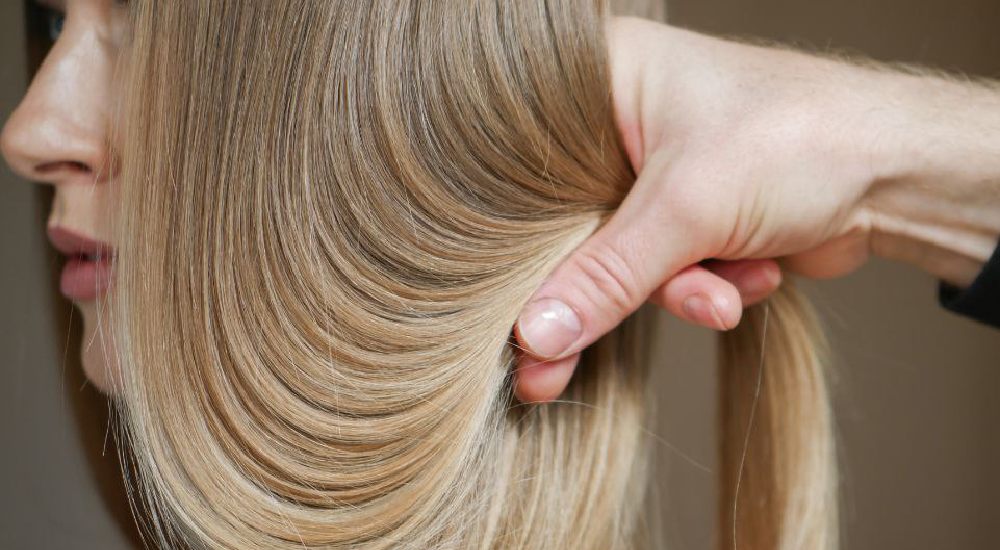
A colorist has more ways to reshape a look than most clients realize. Salons work with everything from flat single-tone application to intricate modern methods: multi-tonal coloring, balayage, the ultra-fine highlighting called babylights. This guide sorts them out — how each method works, who it suits, what it costs you in upkeep.
Classic single-tone coloring, the only method that survives a home attempt
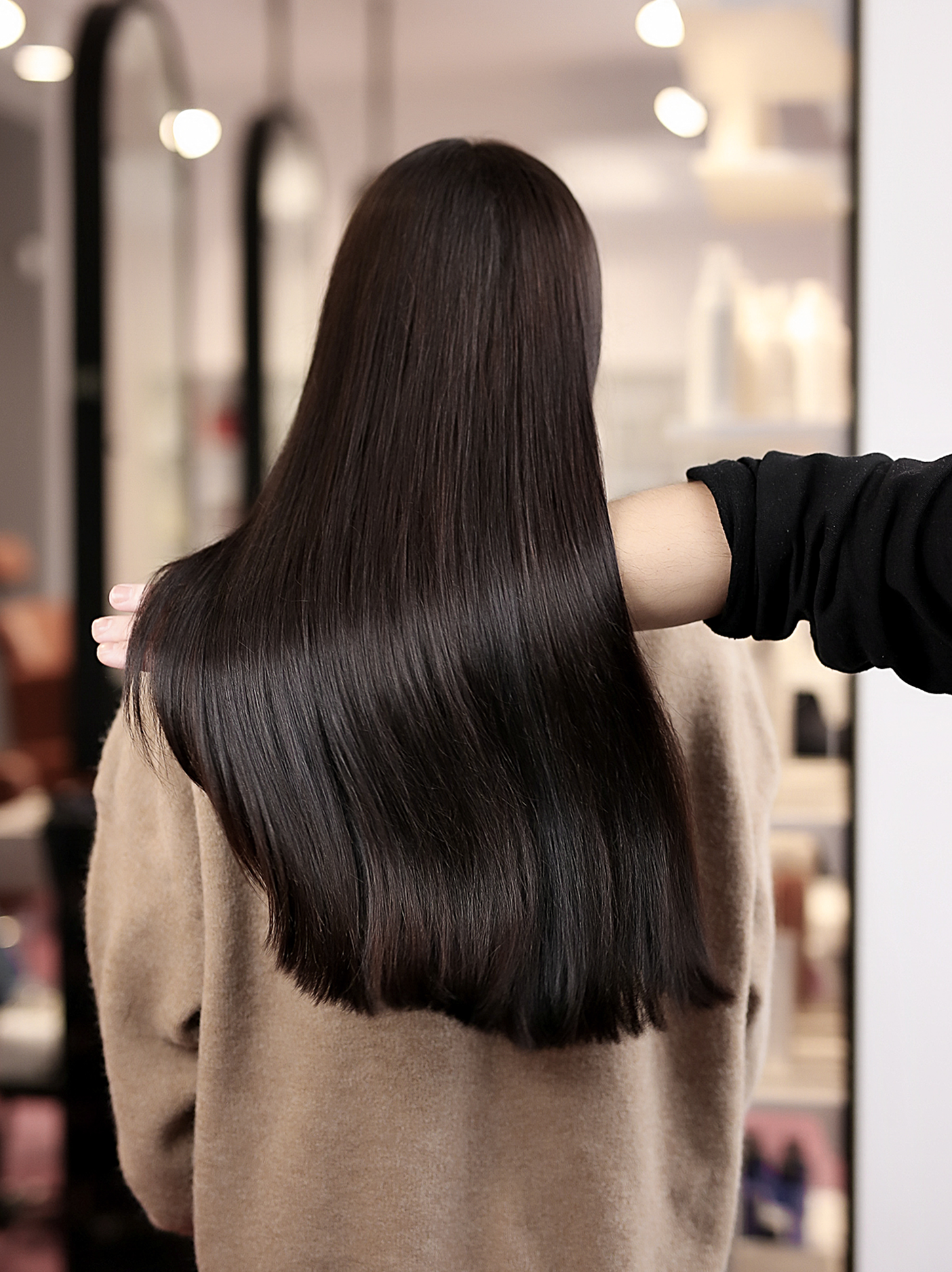 TThe oldest option, and the least technically demanding. Strengths:
- a palette with no real limits;
- grey disappears root to tip;
- serves both a slight shift from your base and a full reinvention.
Weaknesses are equally plain. Permanent dye stresses the fibre, and roots demand attention fast: a regrowth band this sharp cannot be disguised.
Highlighting, the parent of most modern methods
 Individual strands get lifted, or deepened, along the full length. Against newer methods the border between treated and untreated strands stays harder. In its favour:
- density reads higher;
- gentler than a full-head lightening;
- early grey disappears into the pattern.
The method peaked in the late nineties and around 2000, then lost ground to techniques that blend more softly. Done with a precisely matched tone and without exaggerated contrast, though, it still delivers.
Balayage
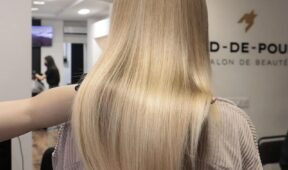
Balayage is a complex colouring technique in which the technician manually creates a pattern with a Freehand work: the colorist paints the gradient on with a brush. Mostly the upper layer gets lifted, the strands underneath stay deep, and the shape reads fuller. Balayage gives you:
- a sun-bleached finish;
- visual density;
- shades that melt into one another;
- months between corrections.
No home version exists, and the same goes for every intricate coloring method.
Shatush
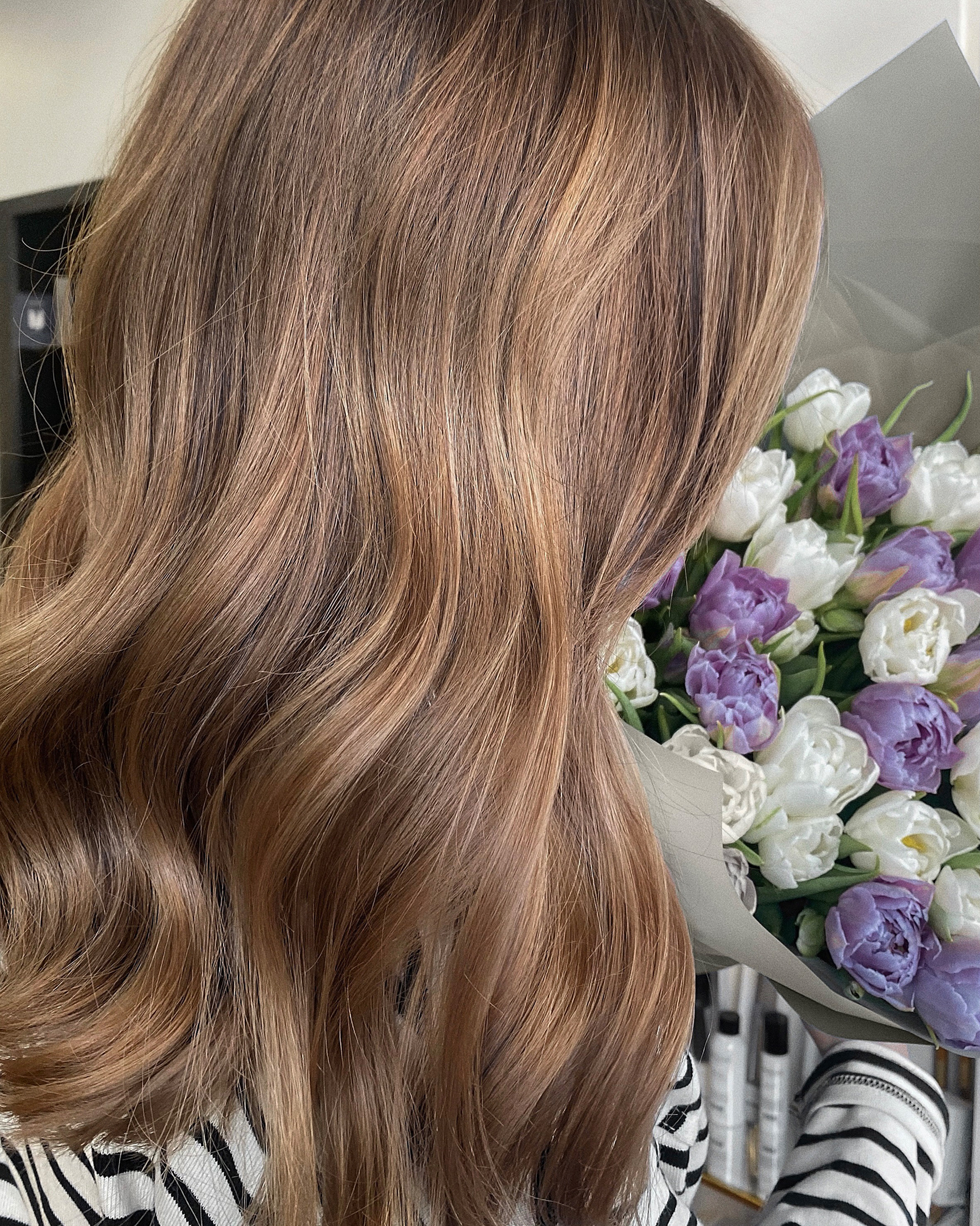 SColor lands on backcombed hair, so the faded effect arrives soft, without an outlined border. Upsides of shatush:
- reads as entirely unstyled;
- low stress on the fibre;
- corrections come round rarely.
Shatush will not overhaul your color. Some clients count that as a benefit, others as a ceiling.
Ombre
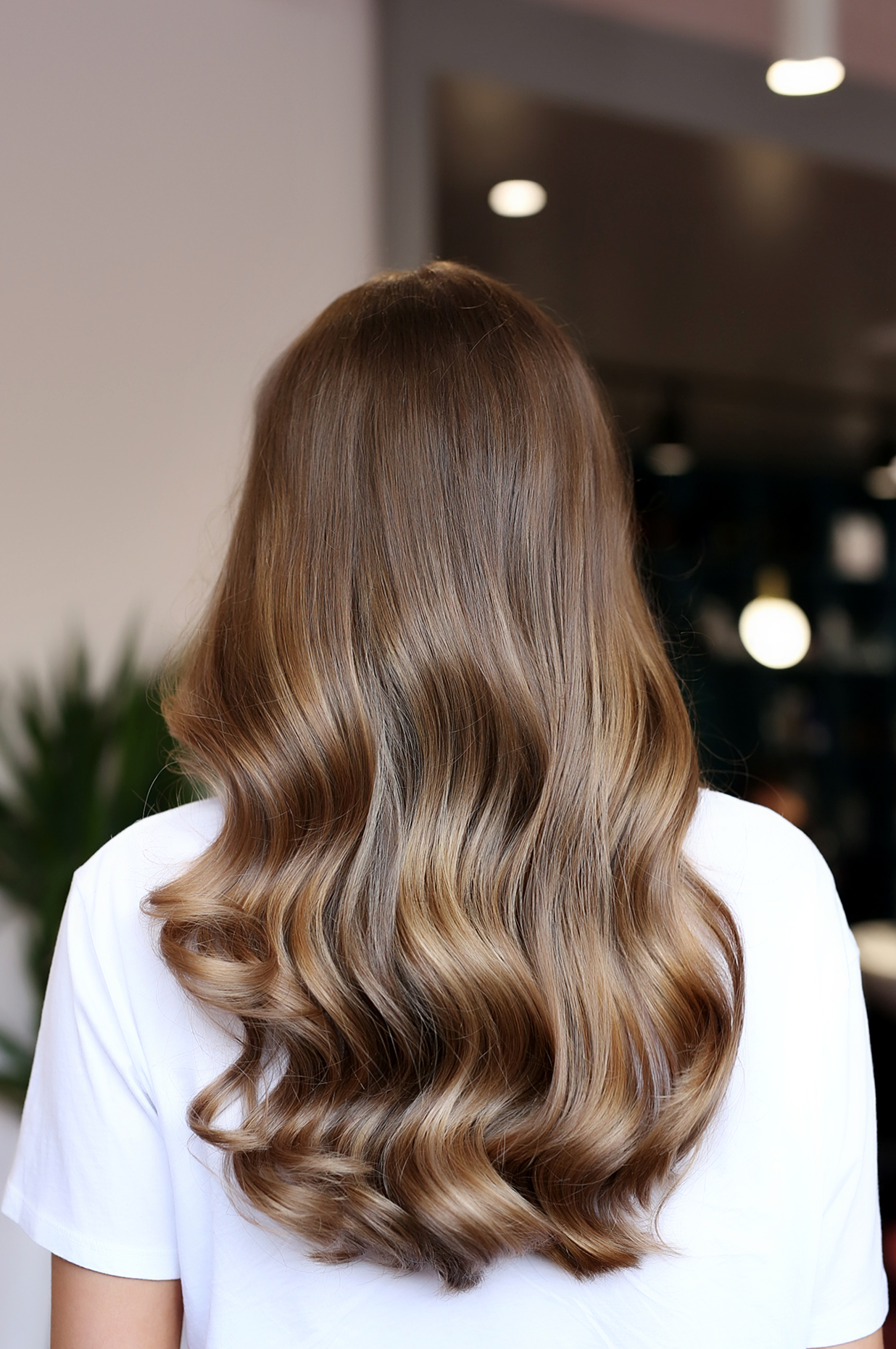 OmbRoots keep their own tone, the length gets lifted. The border may be blended or cut sharply, whichever you prefer. Against balayage and shatush the contrast reads stronger. In favour of ombre:
- new shades can be tested without touching the whole head;
- refreshing is infrequent;
- the method stays gentle.
The reverse arrangement also exists: lift at the roots, depth through the ends.
Bronde
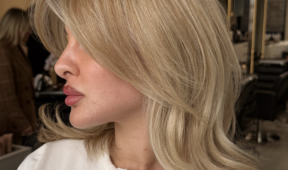
Bronzing is a hair colouring technique that combines light and dark shades to create a multi-dimensional coLight and deep shades are layered together for a multi-dimensional result. The crown layer might stay untouched while strands underneath move a tone or two lighter. Strengths:
- density reads higher;
- the finish looks natural and costly;
- most hair types accommodate it.
One drawback: the method exposes a weak colorist immediately.
AirtouchAirtouch
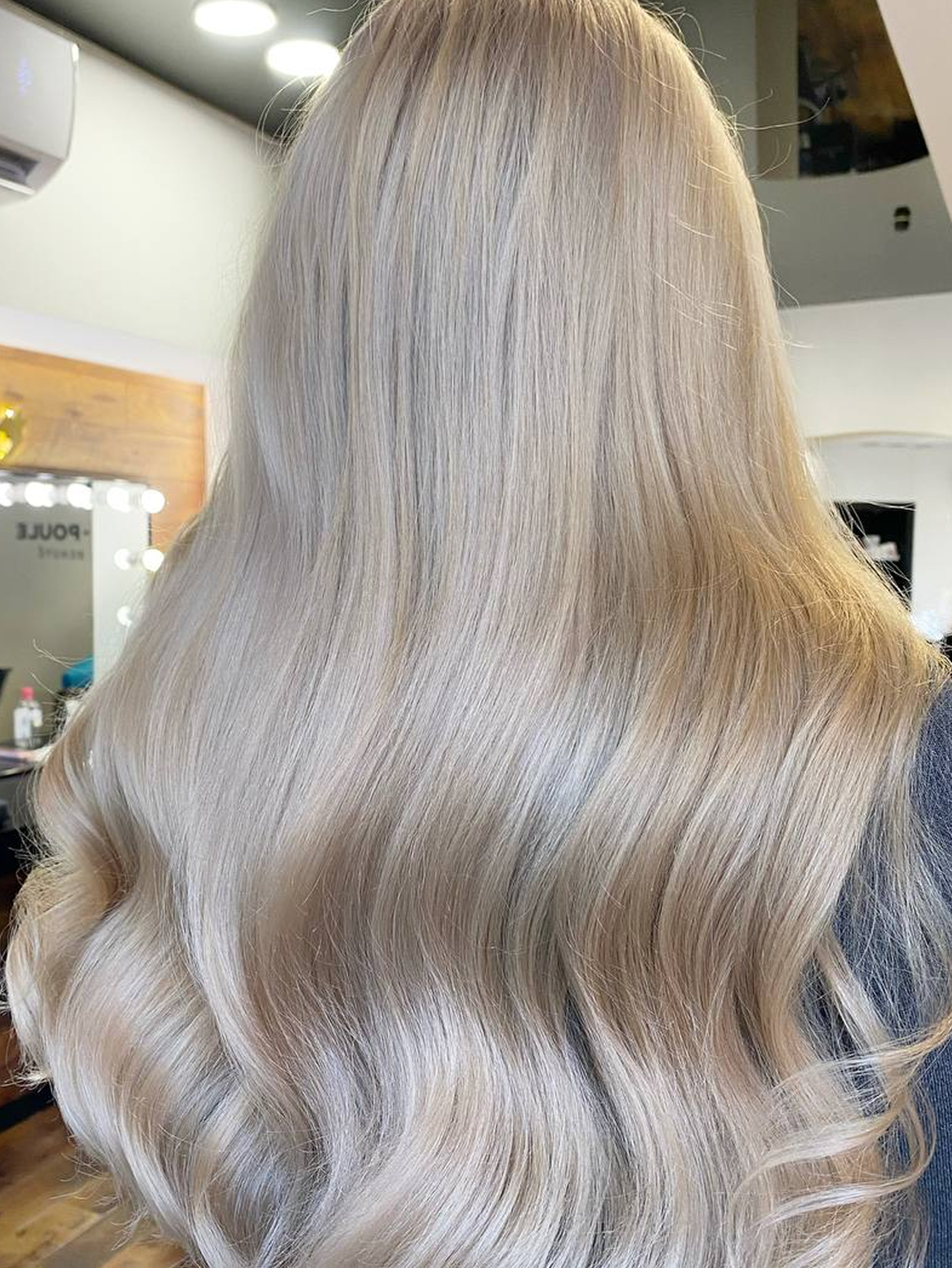 Airtouch is a fashionable technique that lightens a part of the hair and creates a sPartial lifting with an unusually smooth color shift. Midway the colorist reaches for a dryer, and the airflow blows the short hairs out of the section, leaving only the long ones behind. Airtouch gives you:
- a shift between shades that is hard to locate;
- color that survives months without refreshing;
- minimal damage.
Downside: price. It sits among the most expensive methods, and it needs a colorist who has done it many times.
Colouring
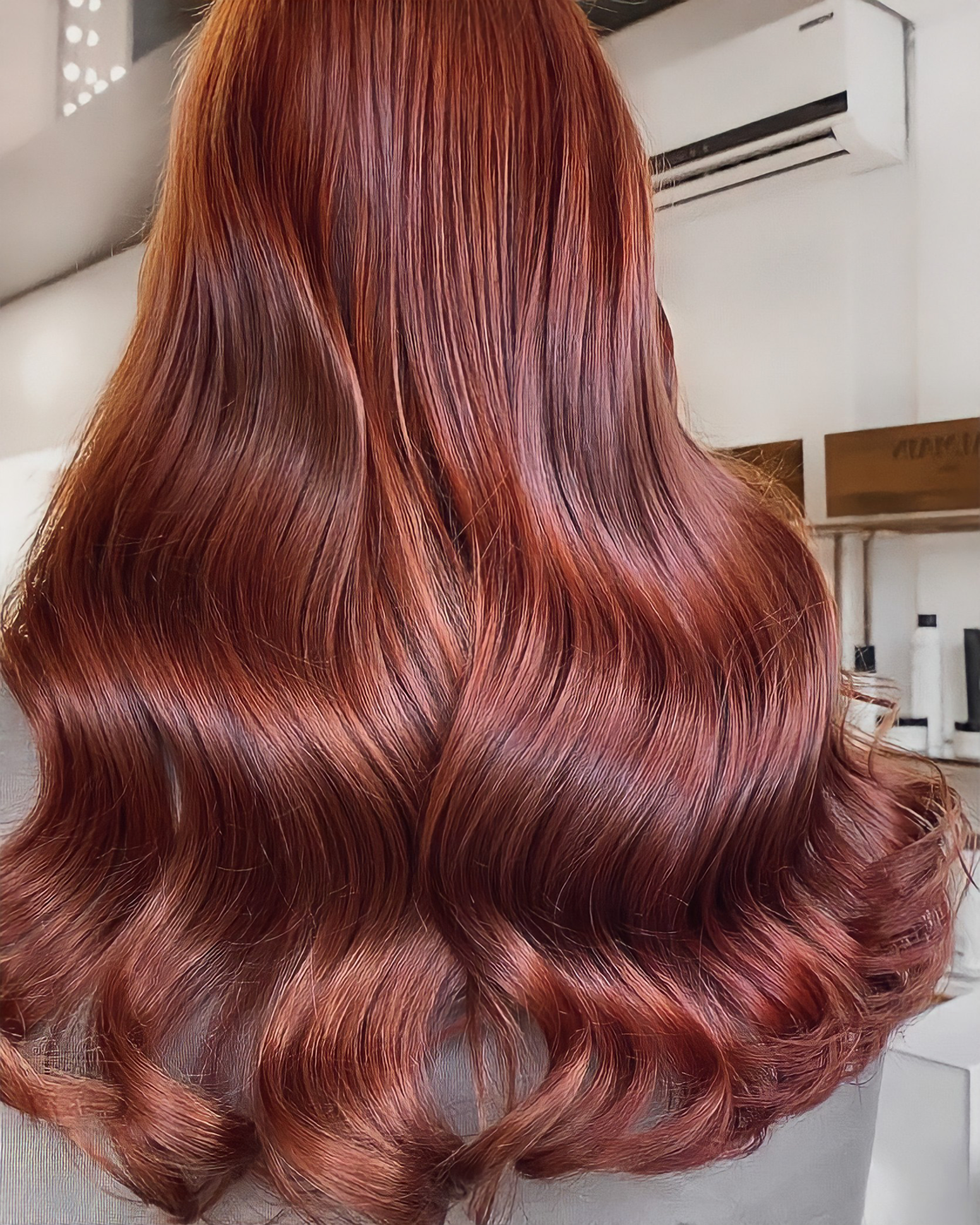 The method for bold statements. Strands go into several shades at once, either sitting near the natural base or set against it.
Creativity and near-limitless variation are the draw. In exchange the palette has to be assembled with precision, which narrows the field to experienced colorists.
Babylights
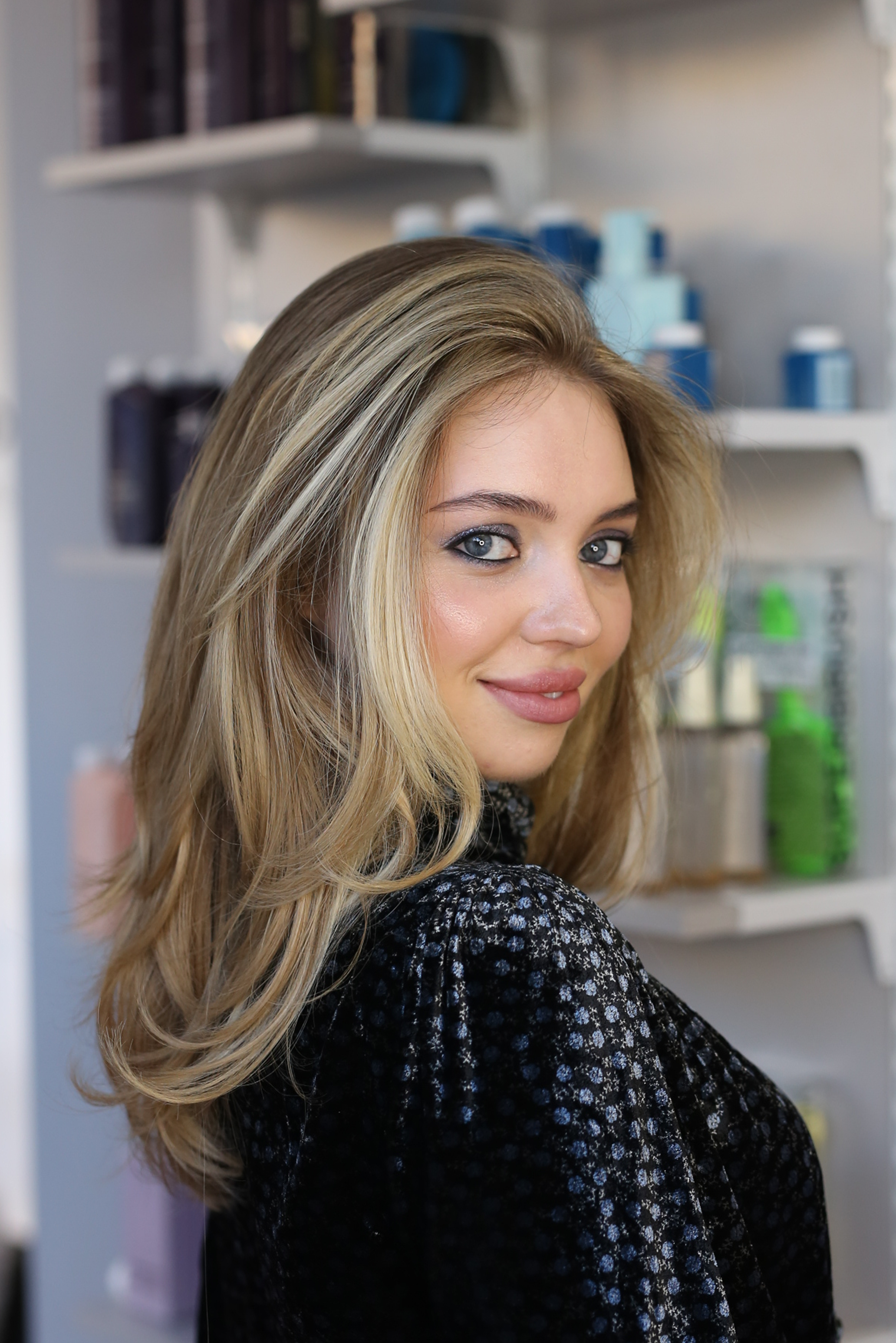 Ultra-fine highlighting built to imitate sunlight caught in the hair. Very thin strands get lifted a few tones off the base. Upsides:
- nothing about the result announces itself as coloring;
- shine plus visual density;
- damage stays lower than in comparable methods.
The work is slow, which sets the price, and it needs a steady, experienced hand.
Shadow Roots
Shadow Roots is a technique in which the roots are left dark and the length of the hair is lightened. The Roots stay deliberately dark, the length gets lifted, and the join between them is blended out. What you see is hair growing out naturally. In its favour:
- dyeing roots disappears from the schedule;
- density and depth of color improve;
- an abrupt line between older color and regrowth stops being visible.
This one does not suit every client. To find out which coloring belongs to your hair, sit down with the colorists at PIED-DE-POULE. The verdict rests on hair type, natural or already colored, on length and condition, on your color type and on the style you hold to.